
Houseplants That Can Turn My Bird’s Perch into a Silent Hazard
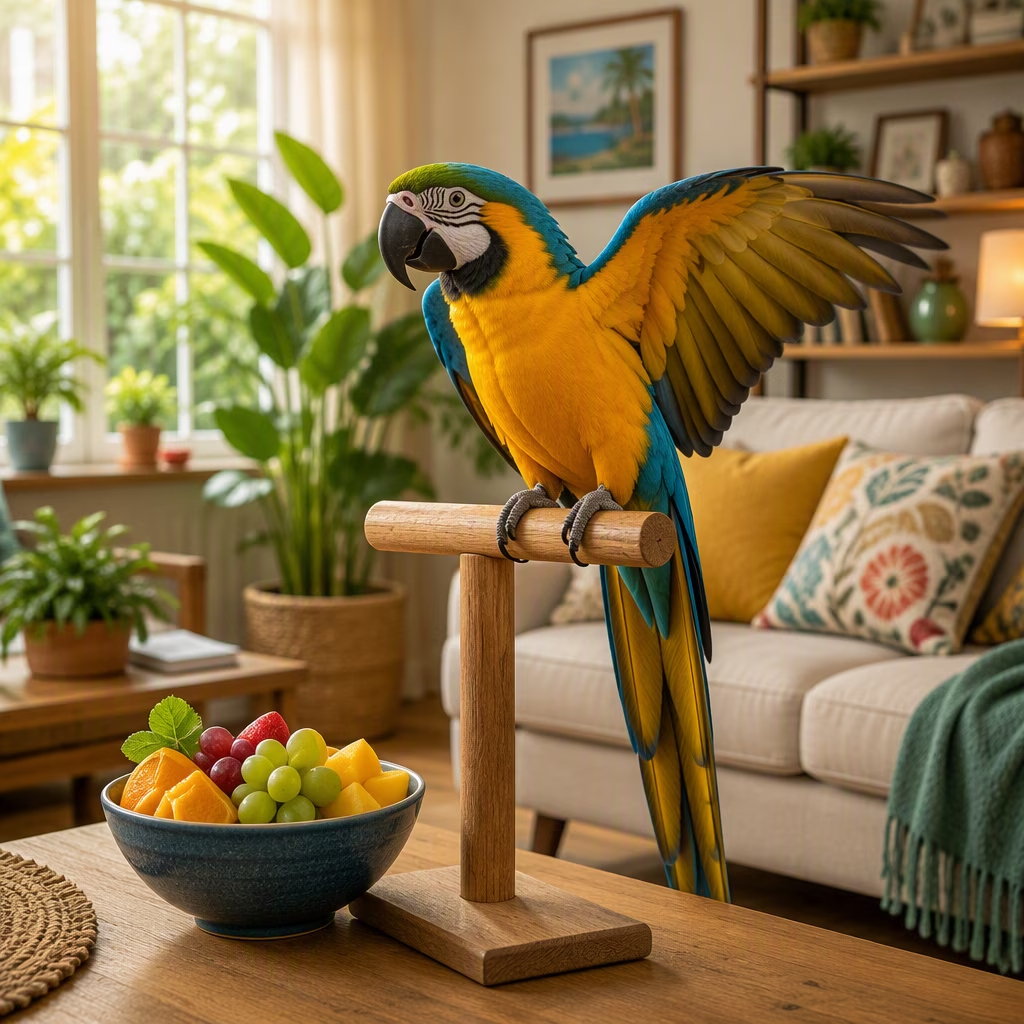
Walking through my sunlit living room in 2026, I used to see only greenery and grace. Now I see a gallery of possible dangers, because many common houseplants—lilies, ivy, philodendrons, amaryllis, and more—are highly toxic to pet birds. A bird’s body can be as delicate as spun glass, and a single curious nibble can turn a leafy ornament into a medical emergency. I learned this the hard way after my parrot, Mango, investigated an English ivy tendril. He recovered, but the fear stayed with me like a thorn beneath a wing.
When a bird ingests a toxic plant, the signs can hide like a secret wrapped in silk. Vomiting, diarrhea, anorexia, weakness, depression, tremors, excessive salivation, difficulty breathing, and seizures may not appear all at once. Because birds often mask illness until they are seriously compromised, I now treat any unusual drooping, fluffed feathers, or sudden change in droppings as a reason to call my avian veterinarian immediately. Gastrointestinal upset is a common early warning, but poisoning can progress to coma and death with plants such as philodendron if large amounts are eaten.
| 🪴 Plant | ⚠️ Toxic Parts | 🩺 Possible Signs |
|---|---|---|
| Amaryllis | Bulb and all parts | Vomiting, diarrhea, anorexia, excess salivation |
| Daffodil | Bulb and flowers | Lycorine poisoning, severe GI upset, seizures |
| Holly | Leaves and berries | GI upset, potential poisoning |
| Ivy | Leaves and stems | Vomiting, abdominal pain, hypersalivation |
| Lilies | All parts | Mouth irritation, excess salivation, GI signs |
| Mistletoe | All parts | Vomiting, diarrhea, weakness, depression, anorexia |
| Morning glory | Seeds | Toxin similar to LSD, GI and neurological risk |
| Philodendron | All parts | Mouth irritation, swallowing and breathing difficulty, coma in large amounts |
| Poinsettia | Leaves, stems, sap | GI upset, blistering, salivation, skin irritation |
| Shamrock | All parts | Tremors, excess salivation |
The amaryllis is one plant I no longer keep indoors, no matter how beautiful its trumpet-shaped blooms are. Growing amaryllis from bulb to flower can feel like unwrapping a botanical firework, but the entire plant, especially the bulb, is toxic to birds. Ingestion can cause vomiting, diarrhea, anorexia, and excessive salivation. I describe it now as a velvet-wrapped hazard—lovely on the windowsill, dangerous in the beak.
Daffodils contain lycorine, which I think of as a botanical tripwire. Depending on the amount eaten, lycorine can be highly toxic or even deadly to birds, causing severe gastrointestinal problems and seizures. Holly, another seasonal favorite, is deceptive because its bright berries look like snacks. Since Mango would absolutely investigate those berries, I decorate with synthetic holly instead.
Ivy is another plant I removed from my home. Several types, including common English ivy, can cause vomiting, abdominal pain, diarrhea, and hypersalivation. Lilies, including peace lilies, are also forbidden around my birds. They can irritate a bird’s mouth, produce excess salivation, and trigger gastrointestinal signs. Mistletoe, often hung for holiday cheer, can cause vomiting, diarrhea, weakness, depression, and anorexia if any part is ingested.
Morning glory may look innocent climbing a trellis, but its seeds contain a compound similar to LSD, which is not a risk I am willing to bring into a home with a curious parrot. Philodendron is perhaps the most common offender on my old plant shelf. All parts of the plant are toxic, and ingestion can cause mouth irritation, difficulty swallowing, breathing trouble, vomiting, and in severe cases, coma and death. Poinsettia is another holiday centerpiece I treat with caution, because it can cause gastrointestinal issues, blistering, excess salivation, and skin irritation in birds, and it can also sicken other pets and people.
Shamrock plants, which many people keep for luck, are highly toxic to birds as well as cats and dogs. They can cause tremors and excessive salivation. I used to believe a shamrock would bring luck into my kitchen. Now I believe the only luck it would bring is the luck of noticing a tremor before it becomes a catastrophe.
My prevention routine is simple but strict. I keep a reference list of toxic plants, ask my florist about every new stem, and avoid bringing unknown greenery into the bird room. If I suspect Mango has eaten something dangerous, I call my veterinarian or a poison helpline immediately. Waiting for symptoms can be like waiting for a bell to ring after the rope has already broken.
Comments